

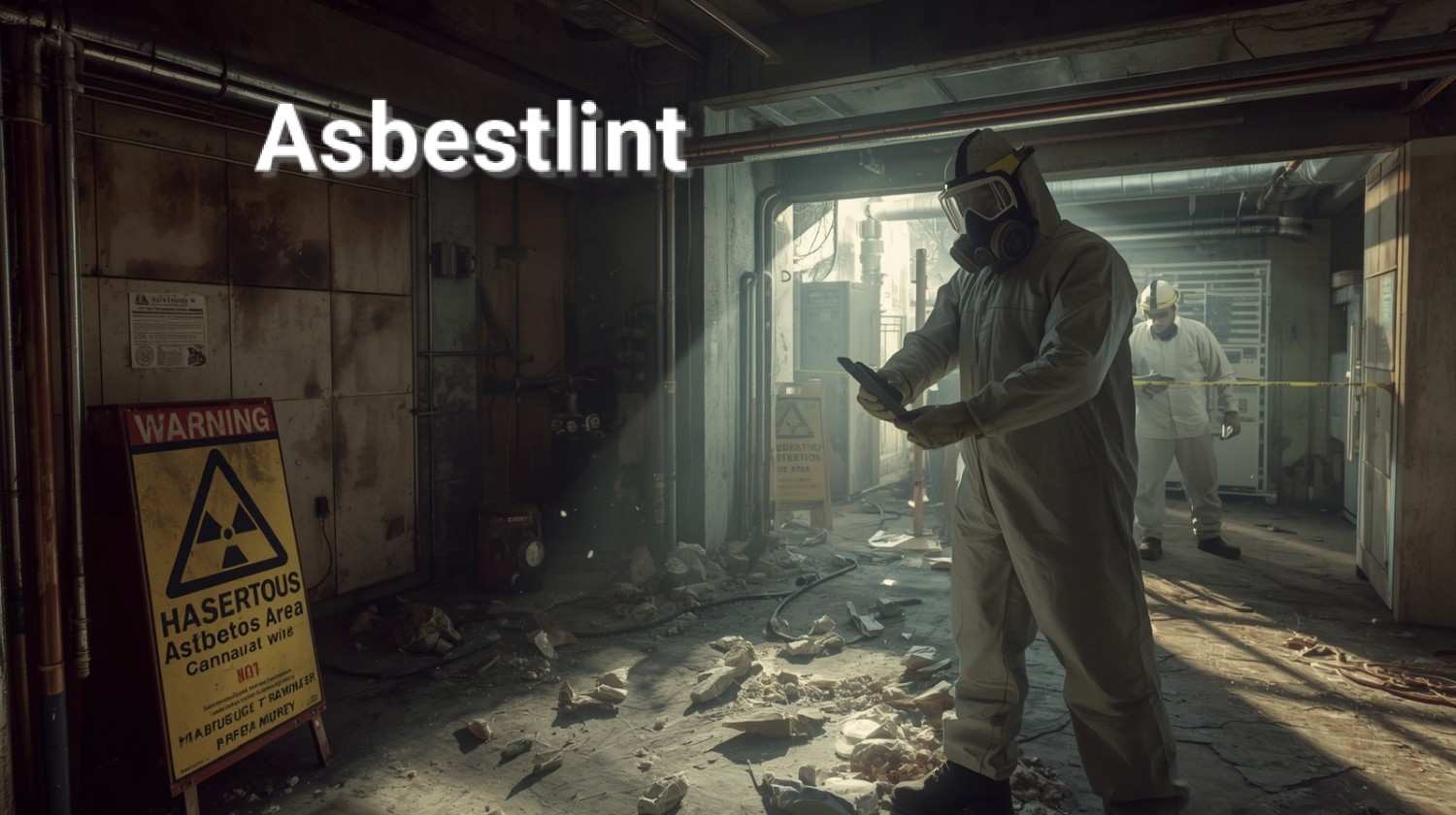
What Is Asbestlint?
Asbestlint is a term often associated with asbestos-containing lint-like insulation materials that were widely used in older buildings, industrial facilities, and heating systems. Because of its fire-resistant and insulating properties, this material became common in construction during the twentieth century. Today, however, growing awareness about asbestos-related health risks has made understanding and managing asbestlint more important than ever.
Many homeowners and building managers discover asbestos-based materials during renovations or inspections. In some cases, the material may look harmless, but damaged asbestos fibers can become airborne and create serious health hazards. That is why learning how to identify, handle, and remove these materials safely is essential for protecting both property value and human health.
Why Was Asbestlint Used in Buildings?
Heat Resistance and Insulation
One of the main reasons asbestlint became popular was its excellent resistance to heat and fire. Builders used it around boilers, pipes, ceilings, and industrial equipment to improve insulation and reduce fire risks. At the time, asbestos was considered a highly effective and affordable construction material.
Durability and Low Cost
Another reason for its widespread use was durability. Asbestos fibers are strong and resistant to chemical damage, making them suitable for long-term applications. Because the material was inexpensive, it became common in residential, commercial, and industrial structures.
Common Places Where It Was Found
Older properties built before the 1990s may still contain asbestlint in areas such as:
- Pipe insulation
- Roof panels
- Ceiling tiles
- Wall insulation
- Heating systems
- Industrial machinery
- Floor adhesives
If your building was constructed decades ago, a professional inspection may help determine whether asbestos-containing materials are present.
Health Risks Associated With Asbestlint
How Asbestos Fibers Affect the Body
The biggest danger of asbestlint comes from airborne asbestos fibers. When disturbed, tiny particles can enter the lungs through breathing. These microscopic fibers may remain trapped inside the body for years and eventually lead to serious illnesses.
Diseases Linked to Asbestos Exposure
Long-term exposure to asbestos has been connected to several dangerous diseases, including:
Asbestosis
Asbestosis is a chronic lung disease caused by inhaling asbestos fibers over time. It can lead to breathing difficulties, coughing, and permanent lung damage.
Mesothelioma
Mesothelioma is a rare but aggressive cancer that affects the lining of the lungs or abdomen. It is strongly associated with asbestos exposure.
Lung Cancer
People exposed to asbestos for long periods face a significantly higher risk of developing lung cancer, especially smokers.
Who Is Most at Risk?
The people most at risk include:
- Construction workers
- Demolition teams
- Industrial employees
- Maintenance workers
- Home renovators
- Residents of older buildings
Even brief exposure can be dangerous if safety precautions are ignored.
How to Identify Asbestlint Safely
Visual Inspection Is Not Enough
Many asbestos-containing materials look similar to ordinary insulation or dust. Because asbestos fibers are microscopic, it is impossible to confirm their presence with a simple visual check.
Signs That May Indicate Asbestos Materials
Although professional testing is required, some warning signs include:
- Old insulation around pipes
- Crumbling ceiling materials
- Dusty fibrous coatings
- Damaged insulation boards
- Aging industrial equipment
Professional Asbestos Testing
Certified asbestos inspectors collect material samples and send them to specialized laboratories for analysis. Professional testing is the safest and most reliable way to confirm whether asbestlint is present in a property.
What To Do If You Find Asbestlint
Avoid Disturbing the Material
If you suspect asbestos-containing material, do not touch, sweep, cut, or drill it. Disturbing asbestos can release harmful fibers into the air.
Restrict Access to the Area
Keep children, pets, and unnecessary visitors away from the suspected area until professionals assess the situation.
Contact Licensed Removal Specialists
Professional asbestos removal companies follow strict safety procedures to contain and remove hazardous materials safely. Hiring trained experts reduces health risks and ensures compliance with local regulations.
Safe Removal and Disposal Methods
Why DIY Removal Is Dangerous
Many people consider removing asbestos materials themselves to save money, but this can be extremely risky. Without specialized equipment and training, fibers may spread throughout the property.
Professional Removal Process
Licensed professionals usually follow these steps:
- Site inspection and testing
- Area containment and sealing
- Use of protective equipment
- Safe removal of contaminated materials
- Air quality testing
- Approved hazardous waste disposal
This process helps prevent airborne contamination and protects occupants.
Legal Requirements for Disposal
In many countries, asbestos disposal is heavily regulated. Hazardous waste must be transported and disposed of at approved facilities. Improper disposal can result in legal penalties and environmental contamination.
Can Asbestlint Be Managed Without Removal?
Encapsulation Methods
In some situations, asbestos materials may remain in place if they are undamaged and stable. Encapsulation involves sealing the material with protective coatings to prevent fibers from escaping.
Regular Monitoring
Property owners should monitor asbestos-containing materials regularly for signs of damage, moisture, or deterioration. Professional inspections can help identify problems early.
When Removal Becomes Necessary
Removal is generally recommended when:
- Materials are damaged
- Renovations are planned
- Fibers may become airborne
- Occupants face ongoing exposure risks
A professional assessment helps determine the safest option.
Preventing Asbestos Exposure During Renovations
Conduct an Inspection Before Starting Work
Before remodeling older buildings, schedule a professional asbestos inspection. Many renovation accidents occur because hidden asbestos materials are disturbed unexpectedly.
Use Certified Contractors
Always choose contractors with asbestos training and certifications. Experienced professionals understand proper containment and safety protocols.
Follow Local Safety Regulations
Different regions have specific asbestos regulations for homeowners and businesses. Following these rules protects workers, residents, and the environment.
Environmental Impact of Asbestos Materials
Air Pollution Risks
Improper handling of asbestos can contaminate surrounding air and increase health risks for nearby communities.
Soil and Water Contamination
Illegal dumping of asbestos waste may contaminate soil and groundwater, creating long-term environmental hazards.
Importance of Responsible Disposal
Responsible disposal helps reduce environmental damage and prevents future exposure risks for communities and workers.
The Cost of Asbestos Removal
Factors That Affect Pricing
The cost of removing asbestlint depends on several factors, including:
- Size of the affected area
- Material condition
- Accessibility
- Testing requirements
- Local disposal fees
- Safety procedures
Is Professional Removal Worth It?
Although professional asbestos removal may seem expensive, it is an important investment in safety, legal compliance, and property protection. Ignoring asbestos issues can lead to greater health risks and future repair costs.
Common Myths About Asbestlint
Myth 1: All Asbestos Materials Must Be Removed Immediately
Not all asbestos materials require immediate removal. Stable, undamaged materials can sometimes be managed safely under professional guidance.
Myth 2: Small Exposure Is Completely Safe
Even small amounts of asbestos exposure may carry risks, especially repeated exposure over time.
Myth 3: New Buildings Never Contain Asbestos
While modern regulations have reduced asbestos use, some older imported materials or renovated structures may still contain asbestos products.
Future Trends in Asbestos Management
Improved Detection Technology
New testing technologies are making asbestos detection faster and more accurate. This helps property owners identify hazards earlier.
Stronger Safety Regulations
Governments worldwide continue to strengthen asbestos regulations to protect public health and improve workplace safety.
Growing Public Awareness
Increased awareness about asbestos dangers has encouraged safer building practices and responsible renovation planning.
Conclusion
Asbestlint remains an important topic for homeowners, property managers, and construction professionals. Although asbestos was once valued for its insulation and fire-resistant qualities, modern research has revealed the serious health risks associated with exposure. Understanding how to identify, manage, and remove asbestos-containing materials safely is essential for protecting both people and property.
If you suspect asbestos materials in your home or workplace, avoid disturbing them and seek professional guidance immediately. Safe inspection, proper handling, and responsible disposal can significantly reduce health risks and ensure compliance with safety regulations. By staying informed and proactive, property owners can create safer environments for current and future generations.