

Introduction
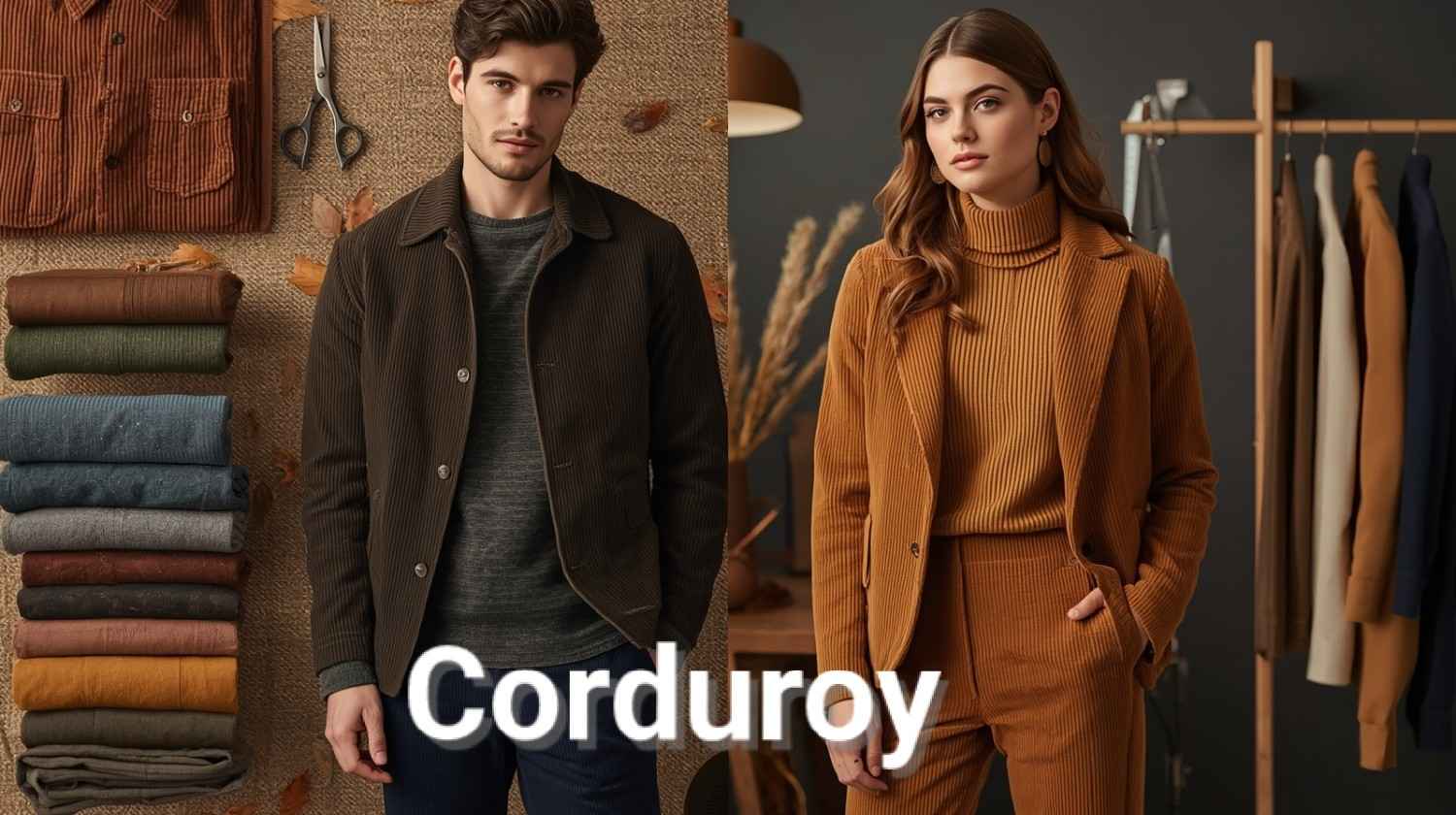
Fashion trends come and go, but some fabrics continue to remain popular for decades. One such fabric is corduroy, a unique textile recognized by its raised parallel ridges, soft texture, and long-lasting durability. From stylish jackets and comfortable trousers to elegant furniture upholstery, corduroy has earned its place as one of the most versatile fabrics in the world. Its combination of warmth, comfort, and classic appearance makes it suitable for both casual and formal settings.
Today, designers and fashion enthusiasts appreciate corduroy not only for its vintage charm but also for its ability to adapt to modern fashion trends. Available in various colors, widths, and weights, this fabric has become a favorite choice for clothing, accessories, and home décor. Whether you’re buying your first corduroy jacket or simply curious about its history, this guide will help you understand everything you need to know.
What Is Corduroy?
Corduroy is a woven fabric distinguished by its vertical ridges, known as “wales.” These raised lines are created through a special weaving process that gives the material its signature texture. The number of wales per inch determines the appearance and feel of the fabric. Wider wales create a bold, casual look, while finer wales offer a softer and more refined finish.
Originally made from cotton, modern corduroy may also include polyester, elastane, or blended fibers to improve stretch, durability, and wrinkle resistance. This combination makes it suitable for a wide variety of clothing and interior design applications.
Featured Snippet: Why Is Corduroy So Popular?
Corduroy remains popular because it offers several important advantages:
- Soft and comfortable texture
- Excellent durability
- Warmth during cooler seasons
- Stylish vintage appearance
- Available in many colors and styles
- Suitable for clothing, accessories, and furniture
These qualities have helped corduroy maintain its popularity across generations.
The History of Corduroy
The origins of corduroy date back several centuries. Early versions of ribbed fabrics were produced in Europe, where durable textiles were needed for workers’ clothing. Over time, manufacturers improved weaving techniques, creating the recognizable ridged fabric we know today.
During the 20th century, corduroy became increasingly popular among students, artists, and fashion designers. It eventually found its place in mainstream fashion, appearing in everything from trousers and skirts to blazers and handbags. Today, major fashion brands continue to include corduroy in their seasonal collections, proving its lasting appeal.
How Corduroy Is Made
The production of corduroy involves several precise steps.
Weaving the Fabric
Manufacturers weave extra sets of fibers into the base fabric, creating loops on the surface.
Cutting the Ridges
The loops are carefully cut to form the raised vertical ribs, known as wales.
Brushing the Surface
The fabric is brushed to create its soft, velvety texture.
Dyeing and Finishing
Finally, the fabric is dyed in various colors and treated to improve durability and appearance.
This detailed manufacturing process contributes to corduroy’s unique look and feel.
Different Types of Corduroy
Not all corduroy fabrics are the same. They vary mainly by the width of their ridges.
Wide-Wale Corduroy
This type features thick, noticeable ridges and is often used for jackets, coats, and upholstery.
Standard-Wale Corduroy
A balanced option suitable for everyday clothing such as pants, shirts, and dresses.
Fine-Wale Corduroy
Also called pinwale corduroy, this variety has narrow ridges that create a smoother and more elegant appearance.
Stretch Corduroy
Blended with elastic fibers, stretch corduroy offers improved flexibility and comfort, making it popular for modern fashion.
Popular Uses of Corduroy
One reason corduroy remains so popular is its versatility.
Clothing
Common clothing items include:
- Jackets
- Pants
- Skirts
- Shirts
- Dresses
- Overalls
- Blazers
Accessories
Corduroy is also used for:
- Hats
- Bags
- Caps
- Shoes
- Wallets
Home Décor
Its durability makes it ideal for:
- Sofas
- Cushions
- Armchairs
- Decorative pillows
- Upholstery
Benefits of Choosing Corduroy
Many people choose corduroy because it combines style with practicality.
Comfortable to Wear
Its soft texture provides excellent comfort throughout the day.
Highly Durable
The strong weave helps the fabric withstand regular use for many years.
Warm and Cozy
Corduroy provides additional insulation, making it perfect for autumn and winter clothing.
Stylish Appearance
Its textured finish creates a sophisticated look that works well in both classic and contemporary fashion.
Easy to Match
Corduroy pairs beautifully with denim, wool, cotton, leather, and knitwear.
How to Style Corduroy
Fashion experts recommend balancing corduroy’s texture with simpler fabrics.
Casual Outfit Ideas
Pair corduroy trousers with a plain T-shirt and sneakers for a relaxed look.
Business Casual
A corduroy blazer combined with chinos and leather shoes creates a polished outfit suitable for work.
Winter Fashion
Layer a corduroy jacket over a sweater and scarf for extra warmth and timeless style.
Modern Streetwear
Oversized corduroy shirts and jackets have become popular in contemporary street fashion.
How to Care for Corduroy
Proper care helps preserve the fabric’s texture and appearance.
Wash Gently
Use cold or lukewarm water and a gentle washing cycle.
Turn Clothes Inside Out
This helps protect the raised ridges during washing.
Avoid High Heat
High temperatures may damage the fibers or cause shrinkage.
Hang Properly
Store garments on sturdy hangers to maintain their shape.
Brush Occasionally
A soft clothing brush helps restore the fabric’s texture after repeated wear.
Corduroy vs. Velvet
Although both fabrics feel soft, they have important differences.
| Feature | Corduroy | Velvet |
|---|---|---|
| Texture | Raised ridges | Smooth surface |
| Durability | Very durable | More delicate |
| Warmth | Excellent | Moderate |
| Everyday Use | High | Medium |
| Style | Casual and classic | Elegant and formal |
Both fabrics have their own strengths depending on personal style and intended use.
Is Corduroy Sustainable?
Many manufacturers now produce corduroy using responsibly sourced cotton and environmentally friendly production methods. Consumers can also support sustainability by purchasing high-quality garments that last for years rather than replacing clothing frequently.
Choosing durable fabrics reduces waste and promotes more responsible fashion habits.
(Continued in Part 2 with buying tips, FAQs, conclusion, and additional SEO content.)






Leave a Reply