

Introduction
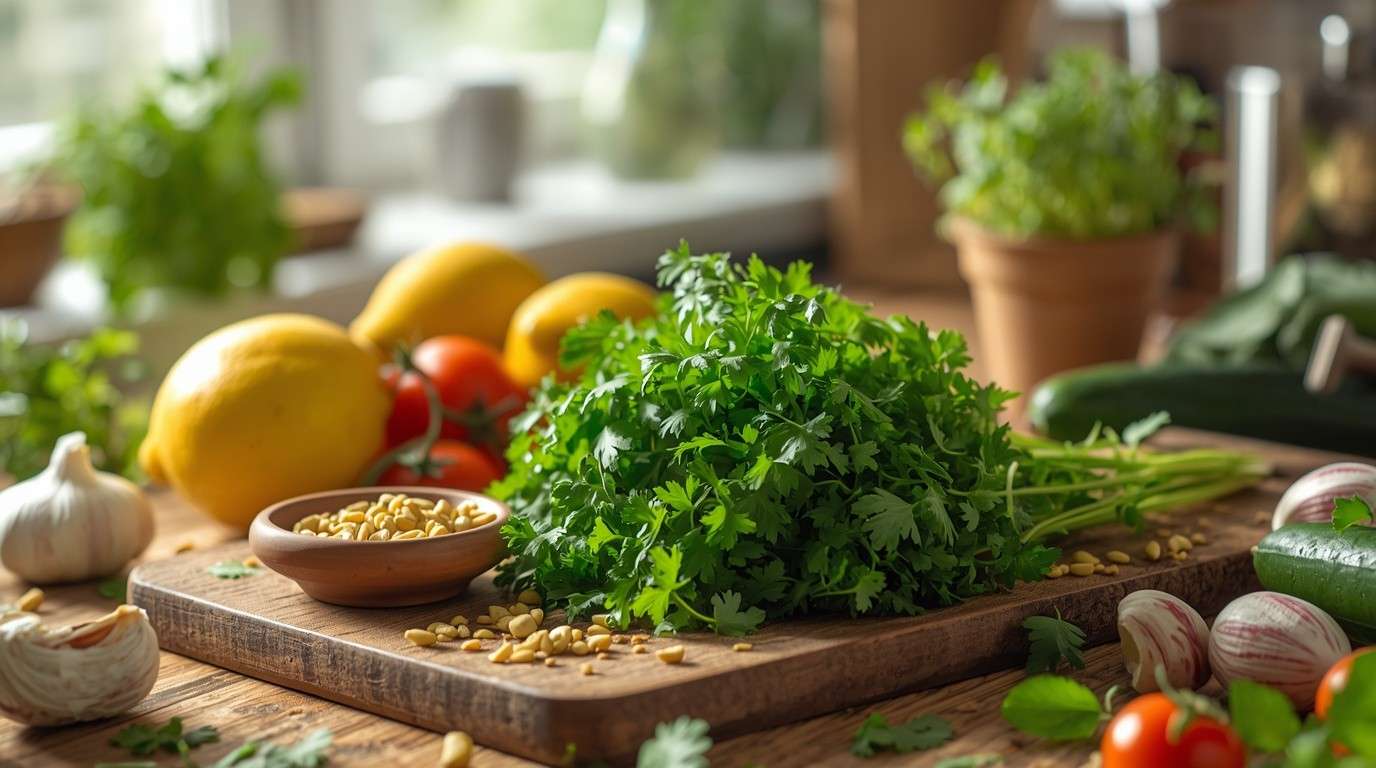
Fresh herbs have been an essential part of healthy cooking for centuries, adding both flavor and nutrition to everyday meals. Among the most popular herbs is koriandri, a name commonly used in some regions to refer to coriander (Coriandrum sativum). Its fresh green leaves and aromatic seeds are widely used in cuisines around the world, making it a favorite ingredient for home cooks and professional chefs alike.
Whether you want to improve your cooking, grow fresh herbs at home, or learn about their nutritional value, understanding koriandri can be incredibly helpful. This guide explains everything you need to know, from its health benefits and culinary uses to storage tips and growing advice, all in simple and engaging English.
What Is Koriandri?
Koriandri generally refers to the coriander plant (Coriandrum sativum), an annual herb belonging to the parsley family. In many countries, the fresh leaves are known as coriander or cilantro, while the dried seeds are called coriander seeds.
Quick Facts
- Scientific Name: Coriandrum sativum
- Plant Type: Annual herb
- Family: Apiaceae
- Edible Parts: Leaves, stems, and seeds
- Flavor: Fresh, citrusy, and slightly peppery
Because of its unique taste and aroma, coriander is used in Indian, Middle Eastern, Mediterranean, Mexican, and Southeast Asian cuisines.
Nutritional Value of Koriandri
Although low in calories, coriander leaves contain several important vitamins and minerals that support overall health.
Key Nutrients
- Vitamin A
- Vitamin C
- Vitamin K
- Folate
- Potassium
- Calcium
- Iron
- Natural antioxidants
Adding fresh coriander to meals is an easy way to increase nutrient intake without significantly increasing calories.
Health Benefits of Koriandri
Rich in Antioxidants
Coriander contains natural antioxidants that help protect the body’s cells from oxidative stress caused by free radicals.
Supports Healthy Digestion
Many traditional cuisines include coriander because it may help support healthy digestion and reduce occasional bloating after meals.
Helps Maintain Overall Wellness
Its vitamins and minerals contribute to normal immune function, healthy skin, and strong bones when consumed as part of a balanced diet.
May Support Heart Health
Replacing excessive salt with fresh herbs like coriander can make meals more flavorful while supporting a heart-friendly eating pattern.
Good Source of Vitamin K
Vitamin K plays an important role in maintaining healthy bones and supporting normal blood clotting.
Culinary Uses of Koriandri
One reason coriander remains so popular is its incredible versatility in cooking.
Fresh Leaves
Fresh coriander leaves are commonly added to:
- Salads
- Soups
- Curries
- Rice dishes
- Sandwiches
- Tacos
- Wraps
- Stir-fries
Coriander Seeds
The dried seeds are often used in:
- Spice blends
- Pickles
- Marinades
- Curry powders
- Roasted vegetables
- Meat dishes
Adding coriander near the end of cooking helps preserve its fresh flavor and aroma.
How to Grow Koriandri at Home
Growing coriander is easy, even for beginners.
Choose the Right Location
Plant coriander where it receives at least four to six hours of sunlight every day.
Use Well-Drained Soil
Loose, fertile soil helps the plant grow healthy roots and prevents waterlogging.
Water Regularly
Keep the soil slightly moist but avoid overwatering.
Harvest Frequently
Once the plant reaches around 10–15 cm in height, harvest the outer leaves first. Regular harvesting encourages fresh growth.
Growing coriander at home ensures you always have fresh herbs available for cooking.
How to Store Fresh Coriander
Proper storage helps maintain freshness and flavor.
Refrigerator Method
- Trim the stems.
- Place them in a small glass of water.
- Cover the leaves loosely with a plastic bag.
- Store in the refrigerator.
- Change the water every few days.
Freezing Method
Wash and chop the leaves before freezing them in ice cube trays with water or olive oil. Frozen coriander works well in soups and cooked dishes.
Koriandri vs Coriander vs Cilantro
Many people wonder whether these names refer to different plants.
In most regions:
- Koriandri refers to coriander.
- Coriander describes both the leaves and seeds.
- Cilantro usually refers specifically to the fresh leaves, especially in North America.
Although the names differ, they generally come from the same plant.
Possible Side Effects
For most people, coriander is safe when eaten in normal food amounts.
However, some individuals may experience:
- Mild allergic reactions
- Digestive discomfort
- Sensitivity to herbs from the parsley family
Anyone with food allergies should consult a healthcare professional if they have concerns.
Tips for Using Koriandri
To get the best flavor:
- Add fresh leaves just before serving.
- Wash thoroughly before use.
- Store properly to maintain freshness.
- Pair with lemon, garlic, mint, and chili for extra flavor.
- Use both the leaves and stems to reduce food waste.
Frequently Asked Questions
Is koriandri the same as coriander?
Yes. In many regions, koriandri is simply another name for coriander.
Is coriander healthy?
Yes. Coriander contains vitamins, minerals, and antioxidants that contribute to a balanced diet.
Can I grow coriander indoors?
Yes. A sunny windowsill or balcony with sufficient light is usually enough for healthy growth.
Can coriander be eaten every day?
Most healthy adults can safely enjoy coriander as part of a balanced diet in normal culinary amounts.
What foods pair well with coriander?
Coriander pairs well with curries, soups, salads, rice dishes, grilled vegetables, seafood, chicken, and fresh salsas.
Conclusion
Whether you call it coriander, cilantro, or koriandri, this versatile herb deserves a place in every kitchen. Its fresh aroma, vibrant flavor, and impressive nutritional profile make it an excellent addition to countless recipes. From supporting a healthy diet to enhancing the taste of everyday meals, coriander continues to be valued across cultures and cuisines.
If you’re looking for a simple way to add more freshness and nutrition to your cooking, consider using koriandri regularly. It is easy to grow, simple to store, and incredibly versatile. By incorporating this aromatic herb into your meals, you can enjoy delicious flavors while benefiting from its natural vitamins, minerals, and antioxidants.





Leave a Reply