

Introduction
In today’s fast-moving digital world, businesses and creators constantly search for tools and strategies that improve performance, simplify workflows, and create better online experiences. From website optimization to user engagement, every detail matters when competing for visibility in search engines and attracting loyal audiences. One emerging concept gaining attention in digital spaces is pxless. While still relatively new to many users, it is becoming an important term in discussions around streamlined digital systems, scalable platforms, and modern online efficiency.
As technology continues to evolve, users expect faster websites, cleaner interfaces, and more personalized experiences. Search engines also reward websites that focus on usability, trust, and high-quality content. This is where pxless enters the conversation. Whether you are a business owner, marketer, developer, or content creator, understanding how pxless works can help you stay ahead in a competitive online environment. This article explores everything you need to know, including its benefits, applications, SEO potential, and future impact on digital growth.
What Is Pxless?
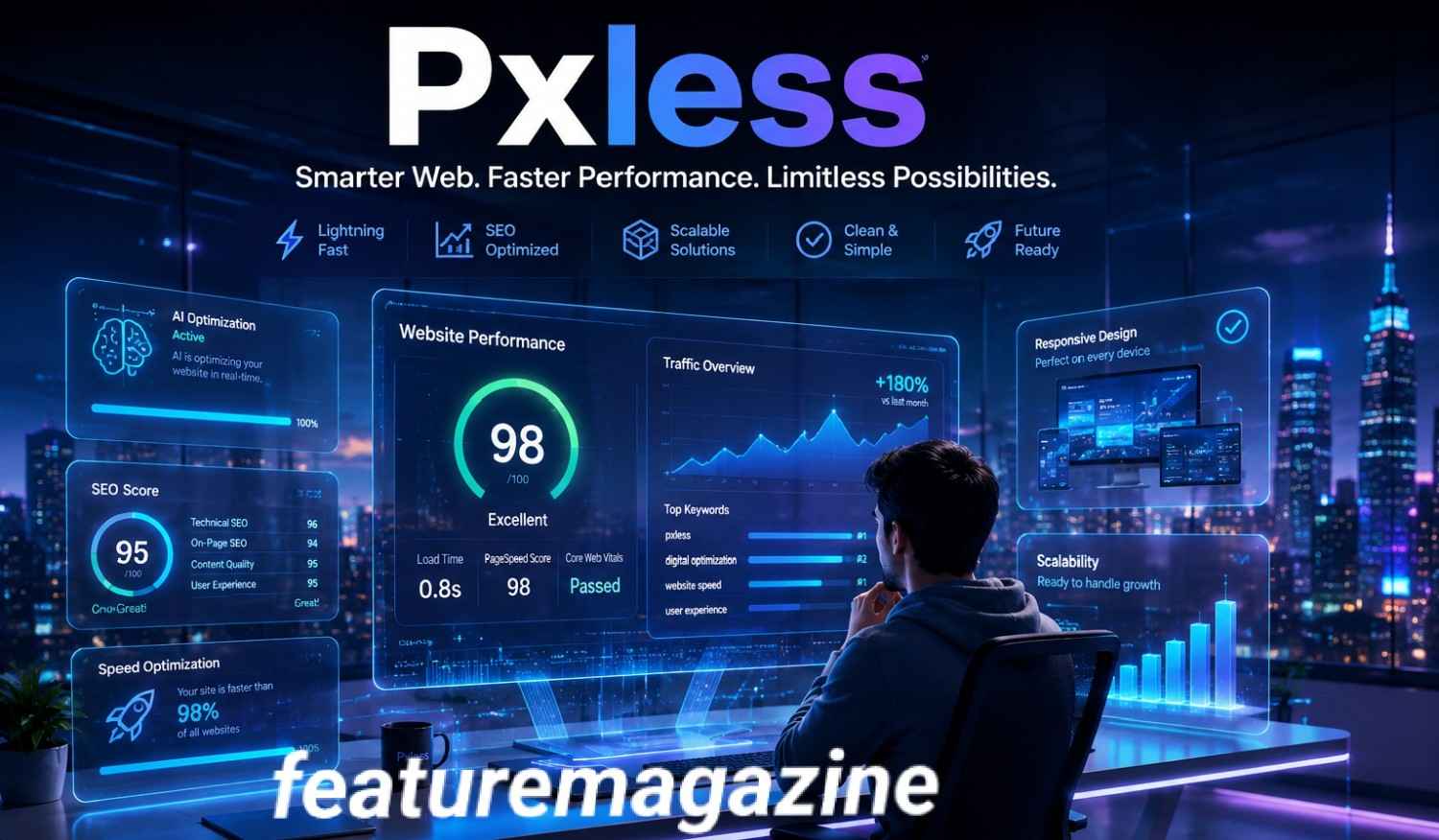
Pxless is a modern digital concept associated with streamlined online systems, responsive performance, and simplified web experiences. It focuses on reducing unnecessary complexity while improving efficiency, scalability, and usability across websites and digital platforms.
The growing popularity of pxless comes from the increasing demand for cleaner digital architecture. Businesses want systems that load faster, perform better, and adapt easily to different devices and user behaviors. Instead of relying on outdated structures or heavy frameworks, pxless promotes lightweight and optimized digital environments.
Key Characteristics of Pxless
- Faster digital performance
- Simplified user experiences
- Better mobile responsiveness
- Improved scalability
- Enhanced SEO compatibility
- Reduced technical clutter
These qualities make pxless attractive for businesses aiming to improve both user satisfaction and search engine rankings.
Why Pxless Matters in Modern Digital Marketing
Digital marketing today is heavily connected to user experience. Search engines prioritize websites that provide value, speed, accessibility, and relevance. A slow or complicated website can quickly drive visitors away, reducing conversions and increasing bounce rates.
Pxless supports modern marketing goals by helping websites become more efficient and user-friendly.
Improved Website Speed
Website speed directly affects SEO rankings and user engagement. Users expect pages to load within seconds. If a site is too slow, visitors often leave before interacting with the content.
Pxless principles encourage lightweight structures that reduce loading times and improve overall site performance. Faster websites not only rank better on Google but also create stronger user trust.
Better Mobile Optimization
Mobile traffic continues to dominate global internet usage. Websites must adapt seamlessly to smartphones and tablets. Pxless supports responsive design strategies that create consistent experiences across all screen sizes.
This improves:
- Mobile usability
- Session duration
- Engagement metrics
- Search visibility
Enhanced User Experience
Modern users prefer simple navigation and intuitive interfaces. Pxless helps remove unnecessary design clutter and technical barriers, making websites easier to use.
A positive user experience often leads to:
- Higher conversion rates
- More returning visitors
- Better customer retention
- Increased brand authority
How Pxless Supports SEO Success
Search engine optimization is no longer just about keywords. Google’s latest algorithm updates focus heavily on content quality, page experience, authority, and technical performance.
Pxless aligns naturally with these ranking factors.
Faster Core Web Vitals Performance
Core Web Vitals are important ranking signals that measure:
- Loading speed
- Visual stability
- Interactivity
Websites using pxless-focused structures often perform better because they minimize unnecessary scripts and reduce page weight.
Lower Bounce Rates
Users stay longer on websites that are easy to navigate and quick to load. Since pxless improves usability and speed, it can contribute to lower bounce rates and stronger engagement signals.
Better Crawlability
Search engines need to crawl and index websites efficiently. Simplified structures associated with pxless can make it easier for search engine bots to understand site architecture and content relevance.
Natural Keyword Integration
A strong SEO strategy also depends on natural language usage. Content built around pxless can include related search terms and semantic keywords without sounding forced.
Examples of related LSI keywords include:
- digital optimization
- lightweight web systems
- responsive web performance
- modern UI strategies
- scalable online platforms
- fast-loading websites
Using these related terms improves topical relevance and helps content rank for multiple search queries.
Major Benefits of Pxless for Businesses
Businesses today compete not only on products and services but also on digital experience. A website that performs poorly can damage credibility and reduce sales opportunities.
Pxless offers several advantages for modern companies.
Cost Efficiency
Simplified systems often require fewer resources for maintenance and updates. Businesses can reduce operational costs while improving overall functionality.
Increased Scalability
As companies grow, their digital systems must handle more traffic and data. Pxless structures are designed to scale efficiently without sacrificing performance.
Stronger Brand Trust
Fast, reliable, and user-friendly websites create positive impressions. Visitors are more likely to trust businesses that provide smooth online experiences.
Higher Conversion Potential
Improved performance and cleaner navigation can increase conversions by reducing friction in the customer journey.
This applies to:
- Online stores
- Service-based businesses
- Blogs
- SaaS platforms
- Educational websites
Common Applications of Pxless
The flexibility of pxless allows it to work across many industries and digital environments.
E-Commerce Platforms
Online stores need speed and responsiveness to maximize sales. Pxless can improve:
- Product page loading
- Checkout experiences
- Mobile shopping performance
- Customer retention
Content Publishing
Blogs and media websites benefit from lightweight structures that support fast article loading and smooth navigation.
SaaS and Tech Platforms
Software companies often prioritize efficiency and scalability. Pxless principles help maintain performance even as user demand increases.
Educational Websites
Learning platforms require reliable and accessible experiences. Faster loading and simpler interfaces improve usability for students and educators alike.
Pxless and the Future of Web Development
Web development trends continue shifting toward simplicity, performance, and adaptability. Heavy and outdated systems are gradually losing relevance as users demand better online experiences.
Pxless represents this movement toward modern digital efficiency.
AI and Automation Compatibility
Artificial intelligence tools work better within optimized environments. Pxless systems can support smoother integrations with:
- AI-powered chatbots
- Automated workflows
- Smart personalization systems
- Predictive analytics tools
Voice Search Optimization
Voice search is growing rapidly. Websites built with streamlined structures and natural language content have a stronger chance of appearing in voice search results.
Sustainable Digital Practices
Efficient websites use fewer resources and consume less energy. Pxless aligns with sustainable digital development by promoting cleaner and lighter online systems.
Best Practices for Implementing Pxless
Businesses interested in adopting pxless strategies should focus on practical improvements that enhance both user experience and technical performance.
Optimize Website Assets
Compress images, remove unnecessary scripts, and use modern coding practices to improve loading times.
Prioritize Mobile Experience
Ensure websites function smoothly on all devices, especially smartphones and tablets.
Focus on Content Quality
High-quality content remains essential for SEO success. Publish informative, original, and engaging articles that genuinely help users.
Improve Navigation
Simple menus and logical site structures make it easier for users and search engines to explore content.
Monitor Performance Metrics
Use analytics tools to track:
- Page speed
- Bounce rates
- User engagement
- Conversion performance
These insights help businesses refine their pxless strategies over time.
Common Misconceptions About Pxless
As with many emerging digital trends, there are misunderstandings surrounding pxless.
“It Only Focuses on Design”
While design simplicity is important, pxless also emphasizes technical performance, scalability, and usability.
“It Is Only for Developers”
Business owners, marketers, content creators, and SEO professionals can all benefit from understanding pxless principles.
“Minimalism Means Less Functionality”
A cleaner system does not mean fewer capabilities. In many cases, removing unnecessary complexity improves overall functionality and efficiency.
How Pxless Can Improve Organic Traffic
Organic traffic depends heavily on visibility, relevance, and user satisfaction. Pxless contributes to all three areas.
Better Search Rankings
Fast and optimized websites align with Google ranking factors.
Increased User Engagement
Users spend more time on websites that are responsive and easy to navigate.
Enhanced Content Accessibility
Simplified structures help users quickly find valuable information, increasing trust and retention.
Stronger SERP Visibility
Websites optimized around user intent and technical performance have better opportunities to appear in:
- Featured snippets
- People Also Ask sections
- Voice search results
- Top organic listings
Conclusion
The digital world is becoming more competitive every year, and businesses must adapt to changing user expectations and search engine standards. Speed, simplicity, usability, and trust are now essential elements of online success. Pxless represents a modern approach that supports these goals by encouraging lightweight systems, improved performance, and streamlined user experiences.
As websites continue evolving alongside AI, mobile technology, and advanced SEO practices, the importance of optimized digital structures will only grow. Businesses that embrace pxless strategies can position themselves for stronger search visibility, better engagement, and long-term online growth. By focusing on efficiency and user-centered design, organizations can build digital experiences that not only rank well but also create lasting value for their audiences.