

Introduction
Turkish cuisine is famous around the world for its rich flavors, fresh ingredients, and centuries-old cooking traditions. Every region of Türkiye offers unique dishes that reflect local culture, history, and family recipes passed down through generations. Among these traditional foods, cevurı stands out as a flavorful dish that represents the warmth and hospitality of Turkish cooking.
Whether you are a food lover, a traveler planning to visit Türkiye, or someone interested in exploring international cuisine, learning about cevurı is a great way to discover authentic Turkish food culture. This guide explains its origins, ingredients, cooking methods, nutritional value, serving ideas, and why it remains popular today.
What Is Cevurı?
Cevurı is a traditional Turkish dish known for its savory taste and comforting texture. It is prepared using fresh ingredients, aromatic herbs, and carefully selected spices that create a balanced flavor. Although recipes may vary between regions and families, the heart of the dish remains the same—simple ingredients transformed into something delicious.
The dish reflects the traditional Turkish approach to cooking, where freshness, patience, and family traditions are valued more than complicated techniques.
The History of Cevurı
Turkish cuisine has developed over hundreds of years through the influence of Central Asian, Middle Eastern, Mediterranean, and Balkan cultures. Traditional dishes were often created using locally available ingredients, making every region unique.
Cevurı is believed to have been enjoyed as a homemade meal shared during family gatherings and special occasions. Like many traditional recipes, it has been preserved through generations, with each family adding its own small touches while maintaining the authentic character of the dish.
Why Cevurı Is Special
Many traditional dishes are delicious, but several qualities make this one unique.
Rich Traditional Flavor
Fresh herbs, natural spices, and carefully cooked ingredients create a balanced flavor that is satisfying without being overwhelming.
Homemade Character
Unlike heavily processed foods, cevurı is often prepared from scratch using fresh ingredients, making it feel authentic and comforting.
Cultural Importance
Food plays an important role in Turkish hospitality. Preparing traditional meals for family and guests is considered a sign of respect and generosity, and cevurı fits perfectly into this tradition.
Common Ingredients Used
While recipes differ across regions, many versions include ingredients such as:
Fresh Meat or Protein
Some recipes use lamb, beef, or chicken, while vegetarian variations rely on seasonal vegetables.
Vegetables
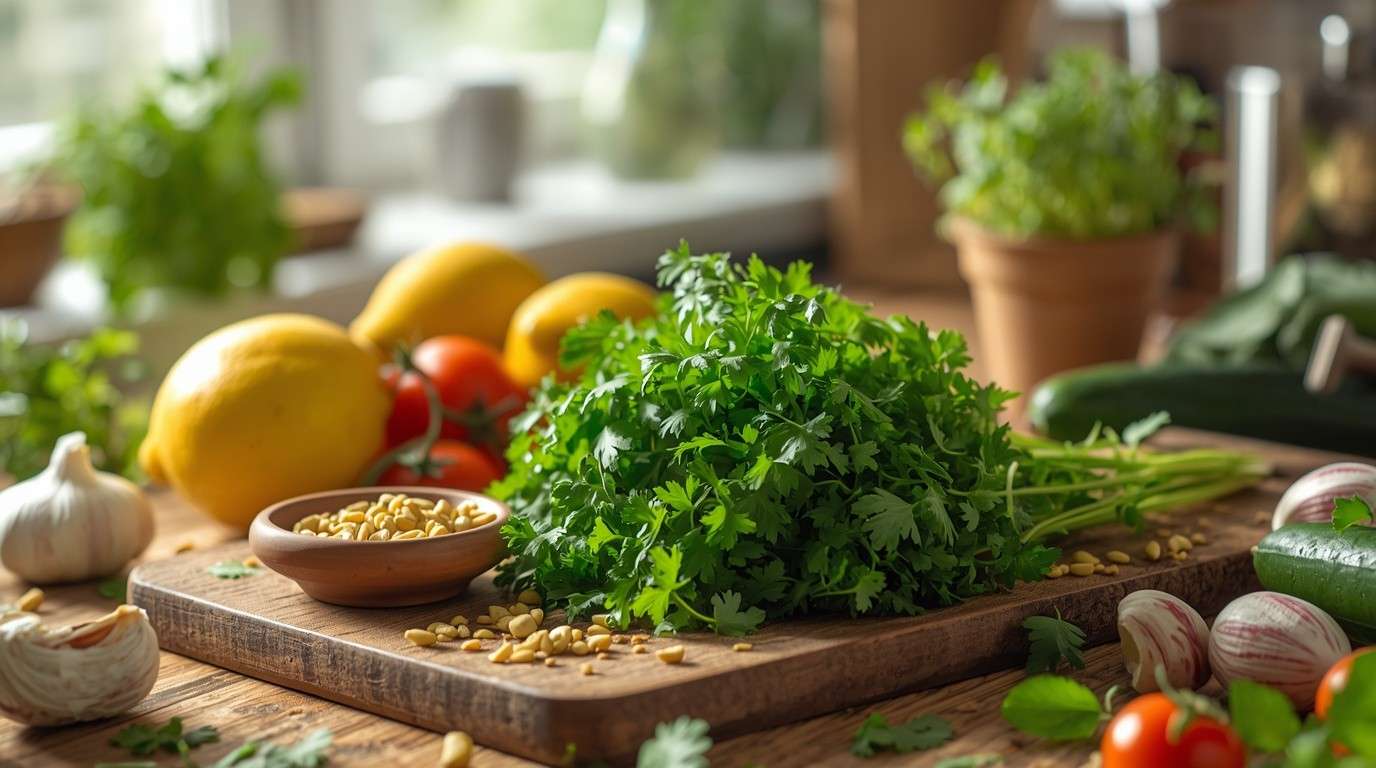
Fresh onions, tomatoes, peppers, and garlic provide depth of flavor and natural sweetness.
Herbs
Parsley, mint, oregano, and other fresh herbs enhance aroma and freshness.
Spices
Traditional Turkish spices such as paprika, black pepper, cumin, and red pepper flakes add warmth without overpowering the dish.
Olive Oil
High-quality olive oil is commonly used to bring all the flavors together while adding richness.
How Cevurı Is Traditionally Prepared
Preparing traditional Turkish dishes usually focuses on patience rather than speed.
Step 1: Preparing Fresh Ingredients
Vegetables are washed, chopped, and organized before cooking begins.
Step 2: Cooking the Base
Onions, garlic, and olive oil are gently cooked to create a flavorful foundation.
Step 3: Adding Main Ingredients
The chosen protein or vegetables are added and cooked slowly until tender.
Step 4: Seasoning
Traditional herbs and spices are mixed in gradually, allowing each ingredient to develop its full flavor.
Step 5: Final Simmer
The dish is simmered until everything blends into a rich, comforting meal.
Regional Variations
Türkiye has many different culinary traditions, so recipes naturally change from one region to another.
Coastal Regions
Coastal versions often feature lighter flavors, more herbs, and extra olive oil.
Central Anatolia
Recipes from central regions may include richer spices and heartier ingredients.
Family Recipes
Many families have their own secret techniques, spice combinations, or cooking times that make their version unique.
Nutritional Benefits
Traditional Turkish cooking often emphasizes balanced meals.
Some potential nutritional advantages include:
- Fresh vegetables provide vitamins and minerals.
- Herbs contain natural antioxidants.
- Olive oil contributes healthy fats.
- Protein-rich ingredients help support muscle health.
- Homemade cooking allows better control over salt and ingredients.
The exact nutritional profile depends on the ingredients used and serving size.
Best Side Dishes
Cevurı pairs well with many classic Turkish foods.
Rice Pilaf
Light, fluffy rice balances the rich flavors.
Fresh Bread
Traditional Turkish bread is perfect for enjoying every bite.
Yogurt
Plain yogurt adds a refreshing contrast.
Fresh Salad
Tomatoes, cucumbers, onions, parsley, and lemon juice create a light side dish.
Pickled Vegetables
Their tangy flavor complements the savory main course.
Tips for Making the Best Cevurı
Use Fresh Ingredients
Fresh vegetables and herbs greatly improve taste.
Cook Slowly
Slow cooking allows flavors to blend naturally.
Balance the Spices
Avoid adding too much spice at once.
Taste While Cooking
Small adjustments during cooking often produce the best results.
Serve Fresh
Traditional dishes are usually best enjoyed shortly after cooking.
Why Tourists Love Traditional Turkish Cuisine
Visitors often remember Turkish food as one of the highlights of their trip.
Traditional dishes like cevurı offer:
- Authentic local flavors
- Fresh ingredients
- Rich cultural history
- Family-style dining experiences
- Comforting homemade meals
Many travelers enjoy trying regional specialties because they provide insight into local traditions beyond famous tourist attractions.
Can You Make Cevurı at Home?
Absolutely.
Even beginners can prepare this traditional dish with a little patience. The recipe does not require advanced cooking skills, making it an excellent choice for anyone interested in exploring Turkish cuisine from home.
Experimenting with fresh herbs and adjusting the seasoning to your taste can help you create a version that suits your preferences while respecting the traditional style.
Frequently Asked Questions
What is cevurı?
Cevurı is a traditional Turkish dish prepared with fresh ingredients, herbs, spices, and regional cooking techniques that emphasize rich, homemade flavor.
Is cevurı spicy?
Most versions are mildly seasoned, although the spice level can be adjusted according to personal preference.
Can vegetarians enjoy cevurı?
Yes. Many families prepare vegetarian versions using seasonal vegetables instead of meat.
What should I serve with cevurı?
Rice, Turkish bread, yogurt, fresh salad, and pickled vegetables are all excellent choices.
Is cevurı healthy?
When prepared with fresh ingredients and balanced portions, it can be part of a nutritious diet.
Conclusion
Traditional foods help preserve history, culture, and family traditions, and cevurı is an excellent example of this connection. Its simple preparation, fresh ingredients, and comforting flavors make it a memorable dish that represents the heart of Turkish home cooking. Whether enjoyed during a family meal or prepared for guests, it reflects the importance of sharing good food with the people around us.
As more people explore international cuisine, traditional Turkish dishes continue to gain appreciation for their authenticity and rich taste. Trying cevurı is more than experiencing a delicious meal—it is an opportunity to discover a culinary tradition that has been valued for generations. If you enjoy exploring world cuisines, this flavorful Turkish classic deserves a place on your list.





Leave a Reply