

Introduction
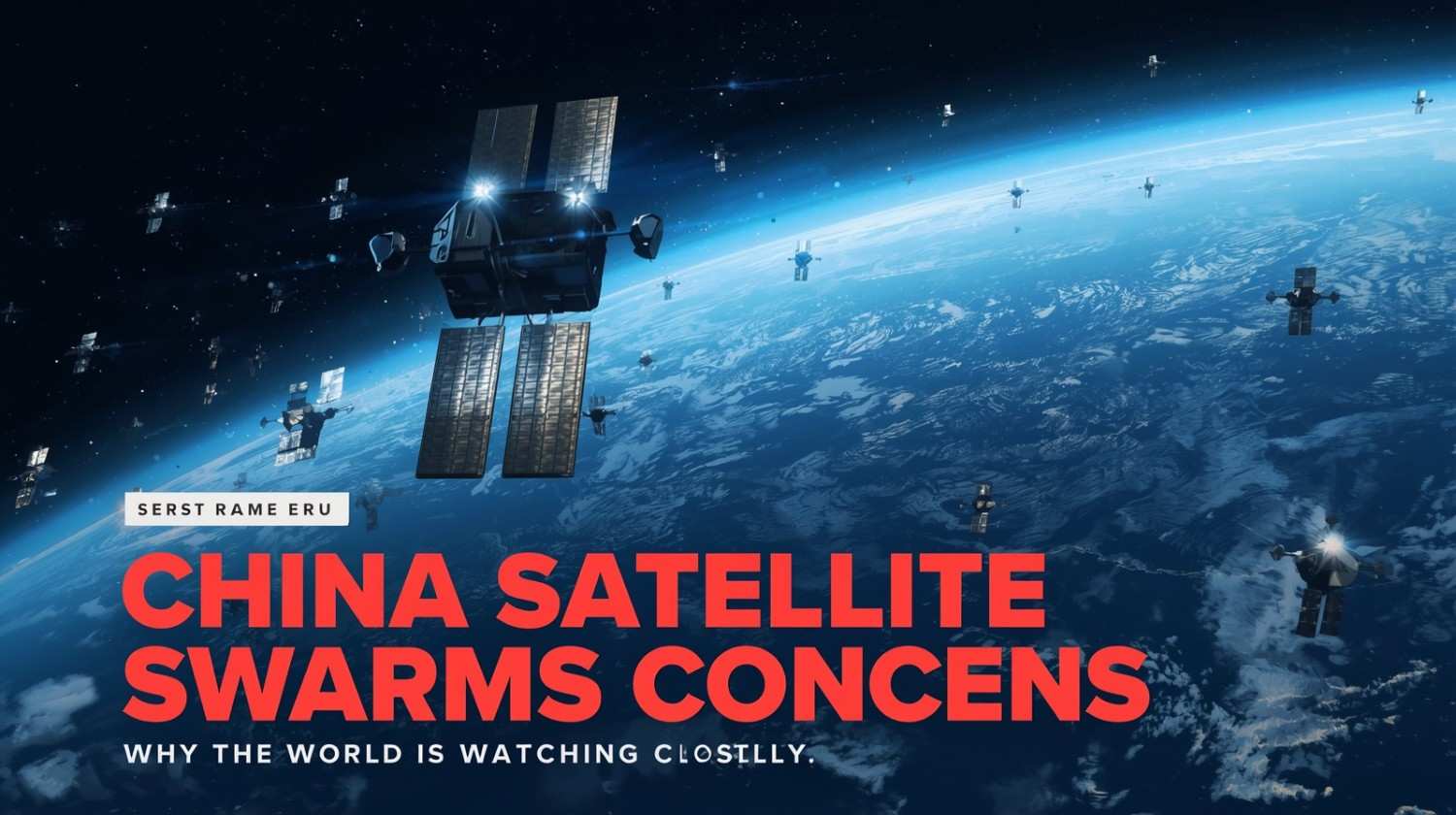
The global space race is entering a new era, and one of the most discussed developments is the rise of satellite swarms. Governments and private companies are launching hundreds or even thousands of small satellites into orbit to improve communication, surveillance, navigation, and internet coverage. Among the major players, China has rapidly accelerated its space ambitions, attracting worldwide attention from experts, policymakers, and security analysts.
The increasing focus on china satellite swarms concerns comes from both technological progress and geopolitical uncertainty. While satellite swarms can bring faster internet, stronger disaster response systems, and improved scientific research, critics warn they may also increase military tensions, cybersecurity threats, and space congestion. As China expands its satellite network projects, many countries are carefully examining what these developments could mean for global security and the future of outer space.
What Are Satellite Swarms?
Satellite swarms refer to large groups of small satellites working together in coordinated formations. Unlike traditional large satellites, these systems rely on many compact satellites operating as a connected network.
How Satellite Swarms Work
Satellite swarms communicate with each other using advanced software and artificial intelligence. Each satellite performs a specific task while sharing data with the entire network. This structure allows the system to continue operating even if one satellite fails.
The main advantages include:
- Lower launch costs
- Faster global communication
- Real-time Earth monitoring
- Better internet coverage
- Increased operational flexibility
Countries around the world are investing heavily in this technology because it offers strategic and economic benefits.
Why China Is Investing Heavily in Satellite Swarms
China has made space technology a major national priority. Over the past decade, the country has launched numerous missions involving navigation systems, lunar exploration, and advanced communications satellites.
China’s Long-Term Space Strategy
China’s government sees satellite swarms as essential for:
- National defense
- Global internet services
- Scientific exploration
- Economic growth
- Technological independence
The country aims to reduce dependence on foreign technology while strengthening its influence in global communications and space infrastructure.
Competing With Global Space Leaders
China is competing directly with other major space powers, especially the United States. Large satellite networks developed by companies like SpaceX have already transformed the commercial space industry. China wants to ensure it remains competitive in this rapidly evolving sector.
This growing competition is one reason why china satellite swarms concerns have become an important international topic.
Main China Satellite Swarms Concerns
As China expands its satellite capabilities, analysts have identified several areas of concern. These concerns involve security, sustainability, and international cooperation.
1. Military and Defense Risks
One of the biggest fears surrounding satellite swarms is their possible military use.
Satellite swarms can support:
- Real-time battlefield communication
- Missile tracking systems
- Surveillance operations
- Electronic warfare
- Intelligence gathering
Because satellite swarms are difficult to disable completely, they can provide a major strategic advantage during conflicts. Some experts worry that advanced space-based systems could increase tensions between major powers.
Dual-Use Technology Challenges
Many space technologies serve both civilian and military purposes. A communication satellite used for internet access could also support military coordination.
This dual-use nature makes it difficult for other countries to determine the true purpose of certain satellite programs.
2. Space Debris and Orbital Congestion
Another major issue involves overcrowding in Earth’s orbit.
The Growing Risk of Space Collisions
Thousands of satellites are already orbiting Earth. Adding large satellite swarms increases the chances of collisions, which can create dangerous space debris.
Even tiny debris fragments can damage spacecraft traveling at extremely high speeds. A major collision could trigger a chain reaction known as the Kessler Syndrome, where debris creates even more collisions.
Environmental Concerns in Space
Scientists are also studying the environmental impact of massive satellite constellations. Concerns include:
- Light pollution affecting astronomy
- Atmospheric pollution from satellite reentry
- Increased strain on orbital management systems
As satellite launches continue to grow, international cooperation will become increasingly important.
3. Cybersecurity Threats
Cybersecurity experts have also raised alarms regarding satellite swarm systems.
Why Satellite Swarms Could Be Vulnerable
Satellite networks depend heavily on software, artificial intelligence, and constant data sharing. This creates potential entry points for cyberattacks.
Possible risks include:
- Signal interception
- Hacking attempts
- Data theft
- Communication disruption
- AI manipulation
If hostile actors gain access to these systems, the consequences could affect communications, navigation, transportation, and even national defense infrastructure.
These cybersecurity fears contribute significantly to ongoing china satellite swarms concerns discussions worldwide.
4. Global Power Competition in Space
Space is increasingly becoming a strategic battleground for global influence.
The New Space Race
Countries are competing for technological leadership in:
- Artificial intelligence
- Quantum communication
- Satellite internet
- Space-based surveillance
- Lunar exploration
China’s rapid progress has intensified concerns among Western nations, particularly regarding strategic balance and technological dominance.
Economic Influence Through Space Technology
Satellite networks can also provide economic advantages. Countries controlling advanced communication systems may gain influence over global internet infrastructure and data networks.
This raises concerns about dependency, digital sovereignty, and geopolitical leverage.
How China Responds to International Criticism
Chinese officials argue that their space programs are focused on peaceful development and technological innovation.
China’s Official Position
China frequently states that its satellite projects aim to:
- Improve global connectivity
- Support scientific research
- Enhance disaster monitoring
- Expand communication services
The government also emphasizes international cooperation in space exploration.
Calls for Fair Treatment
Chinese analysts often argue that criticism toward China is sometimes politically motivated. They point out that many other nations are also developing similar satellite systems.
This debate highlights the growing complexity of international space politics.
Potential Benefits of Satellite Swarm Technology
Despite the concerns, satellite swarms also offer major advantages for humanity.
Improved Internet Access
One of the biggest benefits is expanded internet coverage in remote regions. Rural communities, isolated islands, and disaster zones could gain access to reliable communication services.
Better Disaster Response
Satellite swarms can help monitor:
- Earthquakes
- Hurricanes
- Wildfires
- Floods
- Climate changes
Real-time satellite data can improve emergency response and save lives.
Scientific Research Opportunities
Large satellite networks can support climate studies, environmental monitoring, and deep-space exploration. These systems may also improve global navigation and transportation efficiency.
While debates continue around china satellite swarms concerns, many experts acknowledge the technology’s enormous potential.
Can International Rules Control Satellite Swarms?
Current international space laws were created decades ago, long before modern satellite swarms existed.
Challenges Facing Global Regulations
Today’s regulations struggle to address:
- Mega-constellations
- AI-controlled satellites
- Space traffic management
- Military applications
- Cybersecurity standards
Many experts believe new agreements are urgently needed.
The Need for International Cooperation
Global cooperation could help reduce risks by creating:
- Shared traffic management systems
- Debris reduction standards
- Transparency agreements
- Cybersecurity protocols
- Emergency communication channels
Without updated rules, competition in space may become increasingly unstable.
What Experts Predict for the Future
The future of satellite swarms will likely shape global communication, defense, and technology industries for decades.
Rapid Expansion Expected
Analysts predict that tens of thousands of satellites could be launched over the next several years. China is expected to remain one of the leading contributors to this expansion.
Rising Public and Government Attention
As technology evolves, public awareness of china satellite swarms concerns will likely continue to grow. Governments, scientists, and private companies will all play important roles in determining how space technology is managed responsibly.
The balance between innovation and security will become one of the defining challenges of the modern space era.
Frequently Asked Questions
What are China satellite swarms?
China satellite swarms are large networks of small satellites working together for communication, surveillance, navigation, and scientific purposes.
Why are people concerned about satellite swarms?
Concerns include military use, cybersecurity risks, orbital congestion, and increased geopolitical competition in space.
Are satellite swarms only used for military purposes?
No. Satellite swarms also support internet access, disaster monitoring, climate research, and global communications.
Could satellite swarms create space debris problems?
Yes. Large numbers of satellites increase the risk of collisions and dangerous orbital debris.
Is China the only country developing satellite swarms?
No. Several countries and private companies worldwide are investing heavily in satellite constellation technology.
Conclusion
The debate surrounding china satellite swarms concerns reflects a broader transformation happening in global space technology. Satellite swarms promise faster communication, improved disaster response, scientific breakthroughs, and expanded internet access. At the same time, they introduce serious questions about military competition, cybersecurity, orbital safety, and international regulation.
As China continues expanding its presence in space, governments and experts worldwide will closely monitor how these technologies evolve. The future of satellite swarms will depend not only on innovation but also on responsible cooperation, transparency, and updated international rules. In the years ahead, the decisions made today could shape the security, economy, and sustainability of outer space for generations to come.