

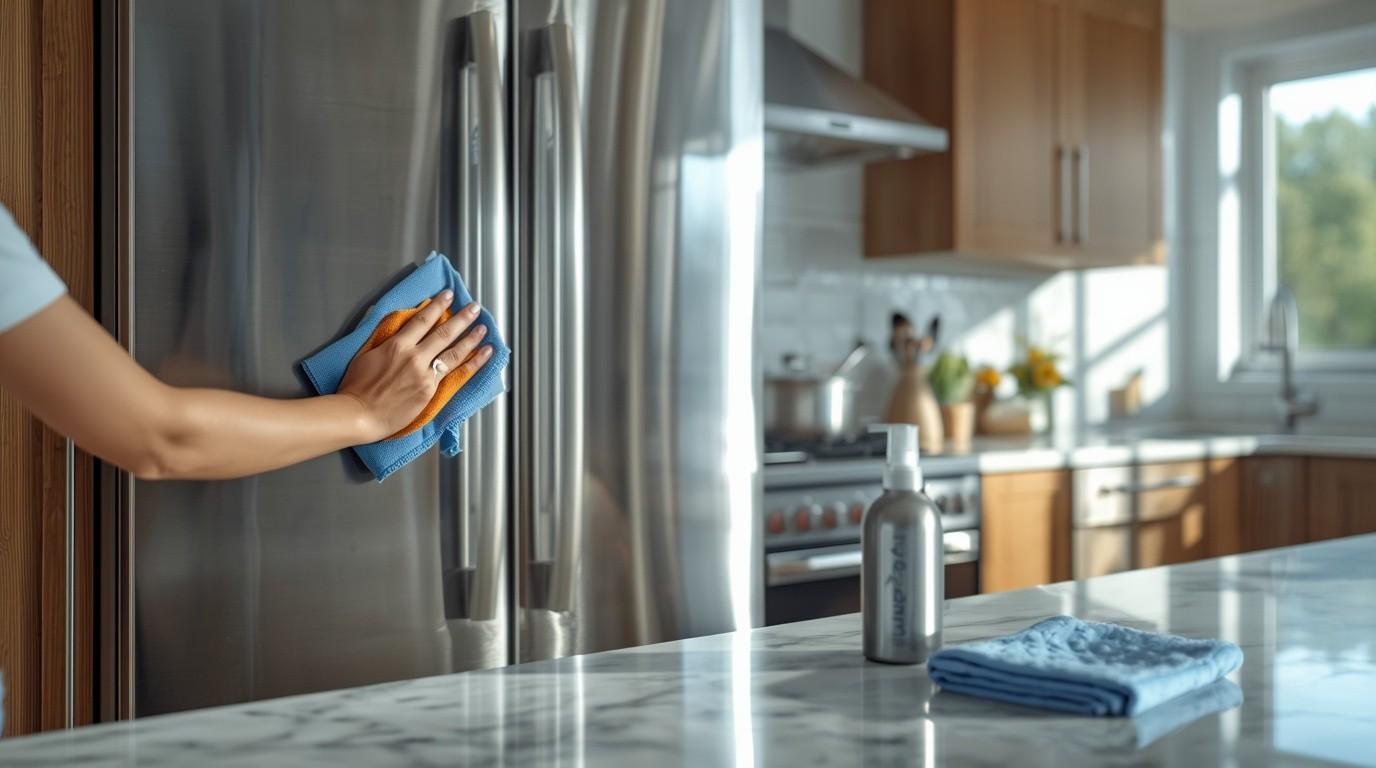
Stainless steel is one of the most popular materials used in homes, kitchens, appliances, sinks, cookware, and even outdoor furniture. Its sleek appearance, durability, and resistance to rust make it a favorite choice. However, fingerprints, water spots, grease, and light scratches can quickly reduce its attractive shine.
If you’ve been wondering how to polish stainless steel, you’re in the right place. The good news is that restoring its original brilliance doesn’t require expensive equipment. With the right tools and proper techniques, you can safely clean and polish stainless steel without damaging its protective surface.
Whether you’re polishing a refrigerator, sink, cookware, or decorative items, this guide covers everything you need to know. You’ll learn the best polishing methods, common mistakes to avoid, and expert tips that help keep stainless steel looking like new for years.
What Is Stainless Steel?
Stainless steel is a corrosion-resistant alloy made primarily of iron, chromium, and nickel. Chromium forms a protective layer that prevents rust and corrosion while giving stainless steel its distinctive shine.
Although it’s highly durable, stainless steel isn’t completely maintenance-free. Dirt, grease, mineral deposits, and tiny scratches can dull its finish over time, making regular polishing important.
Why Should You Polish Stainless Steel?
Polishing does much more than improve appearance.
Key Benefits
- Restores the original shine
- Removes fingerprints and smudges
- Reduces water spots
- Helps hide minor scratches
- Protects against future stains
- Extends the life of stainless steel surfaces
Regular maintenance keeps your appliances and fixtures looking professionally cleaned.
How to Polish Stainless Steel Step by Step
If you’re searching for how to polish stainless steel, follow these simple steps for the best results.
Step 1: Gather Your Supplies
You’ll need:
- Microfiber cloths
- Warm water
- Mild dish soap
- White vinegar
- Baking soda (optional)
- Mineral oil or olive oil
- Stainless steel polish (optional)
Avoid rough scrubbers or steel wool because they can scratch the surface.
Step 2: Clean the Surface First
Before polishing, remove dirt and grease.
Mix warm water with a few drops of dish soap and wipe the surface using a soft microfiber cloth.
Rinse with clean water and dry completely.
Never polish over dirt because it can create scratches.
Step 3: Find the Grain
Just like wood, stainless steel has a visible grain.
Look closely at the surface to identify the direction of the grain.
Always wipe and polish in the same direction. Going against the grain may leave visible streaks and fine scratches.
Step 4: Apply Polish
Use either:
- Commercial stainless steel polish
- Mineral oil
- Olive oil
Place a small amount onto a microfiber cloth rather than directly onto the surface.
Rub gently following the grain.
Only a small amount is needed.
Step 5: Buff for Maximum Shine
Using a clean microfiber cloth, buff the surface until all excess polish disappears.
Continue wiping until the stainless steel develops a smooth, streak-free finish.
Household Methods for Polishing Stainless Steel
You don’t always need commercial cleaners.
White Vinegar
White vinegar removes fingerprints, grease, and mineral deposits naturally.
Spray lightly onto the surface and wipe with a microfiber cloth before buffing dry.
Olive Oil
Olive oil creates a beautiful shine while protecting the surface.
Use only a few drops and buff thoroughly.
Too much oil can attract dust.
Baking Soda Paste
For stubborn stains:
Mix:
- 2 tablespoons baking soda
- Small amount of water
Apply gently with a soft cloth.
Rub lightly before rinsing and drying.
Best Commercial Stainless Steel Polish
If you prefer professional products, look for cleaners specifically designed for stainless steel.
Good products usually:
- Remove fingerprints
- Leave protective coatings
- Reduce streaks
- Resist future smudges
Always follow the manufacturer’s instructions.
How to Remove Fingerprints
Fingerprints are among the most common problems.
Simply use:
- Microfiber cloth
- White vinegar
- Stainless steel cleaner
Finish by buffing with a dry cloth.
This works especially well on refrigerators and ovens.
How to Remove Water Spots
Hard water often leaves white marks.
To remove them:
- Spray white vinegar.
- Wait one minute.
- Wipe gently.
- Dry immediately.
Never allow water to air dry on stainless steel.
Can You Remove Scratches?
Light scratches can often be reduced.
For brushed stainless steel:
- Use a scratch-removal kit
- Polish only with the grain
- Work slowly
Deep scratches may require professional refinishing.
Common Mistakes to Avoid
Many people accidentally damage stainless steel by using incorrect cleaning methods.
Avoid these mistakes:
- Using steel wool
- Using bleach
- Scrubbing against the grain
- Leaving standing water
- Using abrasive powders
- Spraying polish directly onto appliances
Gentle cleaning always produces better long-term results.
How Often Should Stainless Steel Be Polished?
The frequency depends on usage.
Kitchen Appliances
Every 2–4 weeks.
Stainless Steel Sink
Weekly.
Outdoor Furniture
Monthly or after exposure to rain.
Decorative Items
Whenever fingerprints become noticeable.
Regular maintenance prevents heavy buildup.
Tips to Keep Stainless Steel Shiny Longer
If you already know how to polish stainless steel, these habits will keep it looking new.
Always Dry After Cleaning
Water spots form when moisture evaporates naturally.
Dry immediately with a microfiber cloth.
Use Soft Cloths Only
Microfiber prevents scratches and leaves a streak-free finish.
Clean Spills Quickly
Acidic foods like tomato sauce, lemon juice, and vinegar shouldn’t remain on stainless steel for long periods.
Avoid Harsh Chemicals
Strong cleaners may damage the protective chromium layer.
Where Is Stainless Steel Commonly Used?
You’ll find stainless steel in many places:
- Refrigerators
- Dishwashers
- Ovens
- Kitchen sinks
- Cookware
- Cutlery
- Bathroom fixtures
- BBQ grills
- Railings
- Elevators
Each surface benefits from routine cleaning and polishing.
Frequently Asked Questions
What is the best thing to polish stainless steel with?
A microfiber cloth combined with mineral oil or a quality stainless steel polish provides excellent results.
Can toothpaste polish stainless steel?
Toothpaste may work on minor marks, but it can also be slightly abrasive. It isn’t recommended for routine polishing.
Is vinegar safe for stainless steel?
Yes. White vinegar safely removes fingerprints and mineral deposits when used correctly and wiped dry afterward.
Can olive oil damage stainless steel?
No. Used in small amounts, olive oil creates a protective shine. Excess oil should always be buffed away.
How do professionals polish stainless steel?
Professionals clean the surface first, polish along the grain using specialized products, and finish with microfiber buffing for a streak-free shine.
Final Thoughts
Learning how to polish stainless steel is one of the easiest ways to maintain the beauty and longevity of your appliances, cookware, and household fixtures. By using gentle cleaners, soft microfiber cloths, and polishing with the grain, you can restore a brilliant finish without causing scratches or damage. Regular maintenance also helps prevent fingerprints, water spots, and dullness from building up over time.
Whether you choose household ingredients like vinegar and olive oil or invest in a dedicated stainless steel polish, consistent care makes all the difference. With the simple techniques outlined above, you’ll enjoy cleaner, shinier stainless steel surfaces that look as impressive as the day you bought them. Following these best practices ensures lasting results while keeping your home looking polished and well-maintained.