

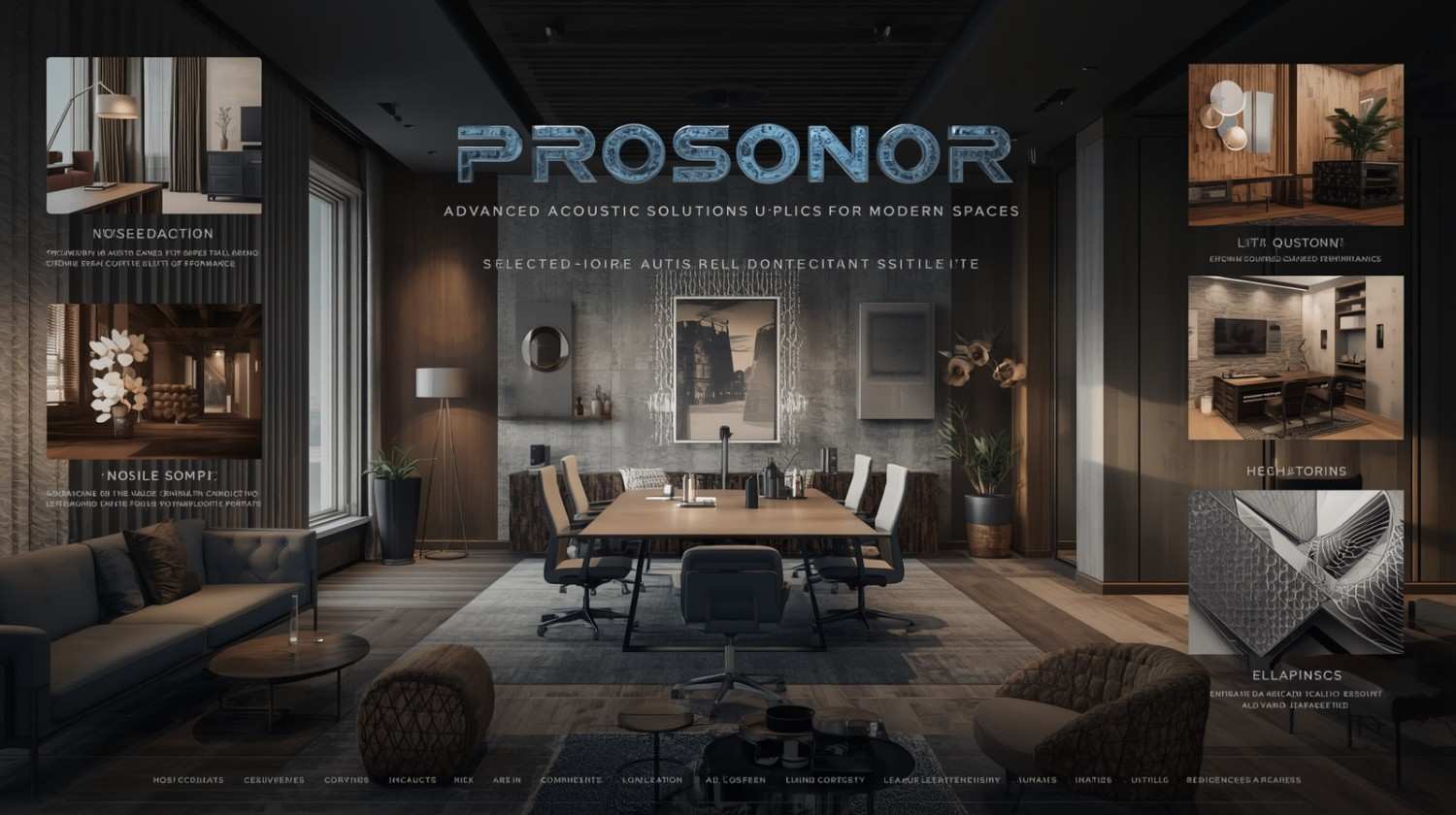
What Is Prosonor?
Modern buildings are designed not only for appearance but also for comfort, productivity, and sound control. One of the biggest challenges in homes, offices, schools, and commercial spaces is unwanted noise. This is where prosonor has gained attention as an advanced acoustic solution designed to improve sound quality and reduce noise pollution indoors.
As urban environments become louder and workspaces more crowded, people are actively searching for reliable soundproofing and acoustic treatment options. Whether it is reducing echo in conference rooms, improving privacy in offices, or creating peaceful residential interiors, acoustic materials now play a major role in architectural planning. Prosonor has become increasingly popular because it combines performance, aesthetics, and modern installation flexibility.
The demand for effective acoustic treatment has grown significantly over the last decade. Businesses want quieter offices to improve employee focus, while homeowners seek peaceful living environments away from traffic and neighborhood noise. Educational institutions, recording studios, healthcare facilities, and hospitality spaces are also investing heavily in noise control systems to create better user experiences.
In this growing market, prosonor stands out because of its advanced sound absorption capabilities and versatile applications. Its ability to reduce reverberation and enhance indoor acoustics makes it an attractive choice for architects, interior designers, and property owners looking for long-term acoustic comfort.
Why Acoustic Solutions Matter Today
The Growing Problem of Noise Pollution
Noise pollution affects millions of people every day. Constant exposure to unwanted sound can lead to stress, reduced concentration, sleep problems, and lower productivity. In commercial environments, poor acoustics may negatively impact communication and workplace efficiency.
As cities continue to expand, buildings are becoming denser and more connected. Thin walls, open office layouts, and modern construction materials often fail to provide sufficient sound insulation. This has increased the need for high-quality acoustic products.
Benefits of Proper Acoustic Design
Good acoustic design offers several advantages:
- Better concentration and productivity
- Improved speech clarity
- Enhanced privacy
- Reduced stress levels
- More comfortable living spaces
- Better customer experiences in public areas
Acoustic comfort is no longer considered a luxury. It has become a standard requirement in modern architecture and interior design.
Understanding How Prosonor Works
Sound Absorption Technology
The main purpose of prosonor is to absorb and control sound waves inside a room. When sound hits hard surfaces like concrete, glass, or metal, it bounces back and creates echoes or reverberation. Acoustic panels and soundproofing systems help reduce this effect by trapping sound energy.
This process improves speech intelligibility and creates a quieter environment. High-performance acoustic materials are especially important in large open spaces where noise can quickly become overwhelming.
Key Materials Used
Acoustic systems may use several advanced materials, including:
- Mineral wool
- Acoustic foam
- Fabric-covered panels
- Perforated wood
- Polyester fiber insulation
- Recycled sound-absorbing materials
These materials are designed to reduce reflected sound while maintaining durability and visual appeal.
Common Installation Areas
Prosonor products are commonly used in:
- Offices
- Schools
- Hospitals
- Recording studios
- Restaurants
- Hotels
- Residential apartments
- Conference rooms
- Auditoriums
Each environment requires different acoustic strategies depending on room size, purpose, and sound levels.
Main Benefits of Prosonor
Improved Indoor Comfort
One of the biggest benefits of using prosonor is improved indoor comfort. Excessive noise can create mental fatigue and reduce relaxation. Acoustic treatment helps create calm and pleasant spaces for both work and daily living.
Better Workplace Productivity
Studies have shown that noisy workplaces can reduce employee performance and concentration. Acoustic panels help minimize distractions, allowing workers to focus more effectively.
Enhanced Privacy
Soundproofing systems improve speech privacy in offices, clinics, and meeting rooms. This is especially important in environments where confidential conversations take place regularly.
Modern Aesthetic Appeal
Modern acoustic products are available in various colors, textures, and designs. Instead of looking purely technical, many solutions now enhance interior aesthetics while improving sound quality.
Types of Acoustic Solutions Available
Wall Acoustic Panels
Wall-mounted panels are one of the most common acoustic treatments. They absorb reflected sound and help reduce echo inside rooms.
Ceiling Baffles and Clouds
Ceiling acoustic systems are effective in large open spaces such as offices, schools, and restaurants. They improve sound control without occupying floor space.
Acoustic Partitions
Movable acoustic partitions help divide open areas while reducing sound transmission between spaces.
Floor Soundproofing Systems
Floor insulation systems reduce impact noise from footsteps, furniture movement, and vibrations between floors.
How to Choose the Right Acoustic System
Understand the Room’s Purpose
Different spaces require different acoustic solutions. For example:
- Recording studios require high sound isolation
- Offices need speech clarity
- Restaurants need balanced ambient sound
- Homes prioritize comfort and privacy
Understanding the purpose of the space helps determine the best acoustic approach.
Evaluate Noise Sources
Before selecting materials, identify where the noise is coming from:
- External traffic
- Machinery
- Conversations
- HVAC systems
- Footsteps
- Echo and reverberation
This evaluation helps create a targeted sound management plan.
Consider Design and Appearance
Modern acoustic solutions should blend with interior design. Many property owners prefer products that improve both functionality and aesthetics.
Installation Process and Best Practices
Professional Assessment
Acoustic specialists often begin with a sound analysis to measure existing noise levels and reverberation times.
Proper Placement Matters
The effectiveness of acoustic materials depends heavily on placement. Incorrect installation may reduce overall performance.
Maintenance Requirements
Most acoustic panels require minimal maintenance. Regular cleaning and occasional inspections help maintain long-term effectiveness.
Industries That Benefit From Prosonor
Corporate Offices
Open office environments can become extremely noisy. Acoustic systems help improve communication and productivity.
Educational Institutions
Classrooms with poor acoustics may negatively impact student learning and speech understanding.
Healthcare Facilities
Hospitals and clinics require quieter environments to support patient recovery and reduce stress.
Hospitality Industry
Hotels and restaurants use acoustic solutions to improve guest comfort and overall customer satisfaction.
Residential Buildings
Modern apartments and homes increasingly rely on acoustic insulation to reduce urban noise and improve living quality.
Sustainability and Eco-Friendly Acoustic Materials
Growing Demand for Green Building Materials
Sustainable construction practices are becoming more important worldwide. Many acoustic products now use recycled or environmentally friendly materials.
Energy and Environmental Benefits
Some acoustic insulation systems also improve thermal performance, helping buildings become more energy efficient.
Long-Term Durability
High-quality acoustic materials are designed to last for many years with minimal maintenance, reducing replacement costs and environmental waste.
Common Mistakes to Avoid
Ignoring Acoustic Planning Early
Many builders focus only on visual design and forget about sound performance until problems appear later.
Using Low-Quality Materials
Cheap acoustic products may fail to deliver proper sound absorption or durability.
Incorrect Installation
Even the best products may perform poorly if installed incorrectly. Professional guidance often ensures better results.
Future Trends in Acoustic Design
Smart Acoustic Technology
Modern buildings are beginning to integrate smart acoustic systems that automatically adjust sound environments.
Increased Demand for Flexible Workspaces
As hybrid work models continue to grow, offices are investing more in adaptable acoustic solutions.
Focus on Human Well-Being
Future architectural trends will likely place even greater importance on acoustic comfort as part of overall wellness design.
Conclusion
The importance of acoustic comfort in modern living and working environments continues to grow rapidly. From offices and schools to homes and hospitality spaces, controlling noise has become essential for productivity, health, and overall comfort. Advanced acoustic systems like prosonor provide effective solutions that help reduce noise pollution while enhancing interior environments.
As technology and building standards evolve, acoustic design will remain a critical part of construction and interior planning. Choosing the right sound management system can improve daily experiences, increase property value, and create healthier spaces for occupants. By investing in high-quality acoustic solutions today, property owners can build quieter, more comfortable, and future-ready environments for years to come.